The best haircut is not a universal style name. It is a shape that works with your texture, density, hairline, preferred length and the amount of styling you want to do on ordinary days.
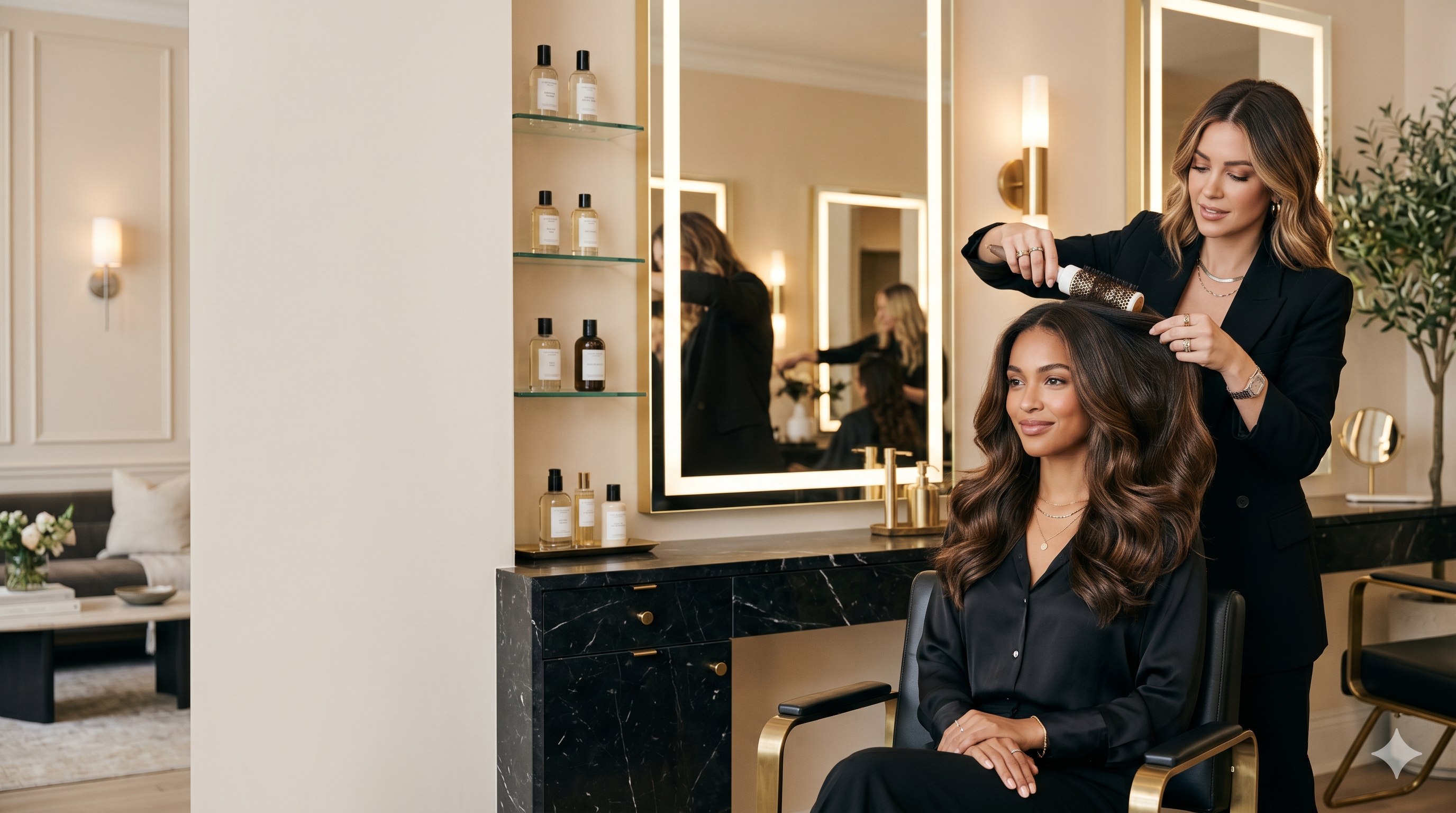
Bring inspiration to a haircut consultation in Nellore, but use it as a starting point. A stylist can help separate the parts of a reference that suit your hair from the parts created by lighting, extensions or a full salon finish.
Quick answer
Choose your haircut by starting with daily reality: how your hair dries, whether you tie it back, how often you can return for shaping and which features you want to emphasise. Face shape can inform the discussion, but it should not override texture or routine.
Start with your real routine
Tell the stylist whether you air-dry, use heat tools, wear a helmet, keep a beard, tie your hair up or need a polished shape for work. A cut that relies on daily blow-drying may not be the right match for a low-maintenance routine.
Also explain what currently bothers you: bulk at the sides, uneven growth, difficult fringe, dry ends or a shape that disappears after washing. That gives the consultation a useful problem to solve.
Compare popular haircut directions
Trend names are useful shorthand, but the final sectioning and length must be adapted to your density, natural movement and styling routine.
| Direction | What creates the look | Discuss before choosing |
|---|---|---|
| Butterfly cut | Shorter face-framing layers flowing into longer lengths | How much daily volume styling the reference uses |
| Long layers | Movement while retaining overall length | Whether fine ends can support the requested layering |
| Bob or lob | A defined short-to-medium silhouette | Natural texture, neckline and reshaping frequency |
| Fringe | A focal shape around the forehead and eyes | Cowlicks, oiliness, heat use and frequent trims |
| Short or tapered cut | Controlled sides with a deliberate top and outline | Growth pattern, preferred finish and maintenance cadence |
What changes the haircut decision
Use this as a conversation framework rather than a rulebook.
| Factor | Useful question | Why it matters |
|---|---|---|
| Texture | How does it dry naturally? | It affects layers, fringe and visible volume. |
| Density | Where does it feel heavy or sparse? | It guides weight removal and shape. |
| Growth pattern | Do you have cowlicks or a strong parting? | It can change how short areas settle. |
| Maintenance | How often can you reshape it? | It determines whether the silhouette stays intentional. |
| Lifestyle | How do you wear it most weekdays? | It keeps the recommendation practical. |
Use reference photos well
Bring two or three photos rather than one heavily filtered image. Point out the exact element you like: fringe, neckline, fade, layers, volume or the overall length.
Include a current daylight photo of your own hair if you are booking by WhatsApp. An in-person assessment is still useful before a major change or corrective shape.
Questions to ask before booking
A short checklist keeps a haircut conversation specific.
- Will this work air-dried as well as styled?
- Which areas will need the most upkeep?
- How will the shape change as it grows?
- Can it work with my beard, fringe or usual parting?
- Should colour placement be planned with the cut?